







Search Results for: Queen's Manor
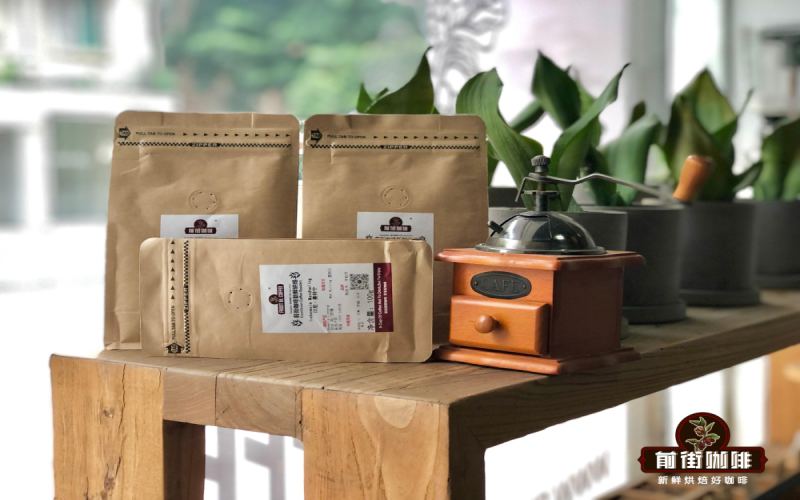
An Analysis of the Main Varieties and Flavor Characteristics of Brazilian Coffee Beans: From Bourbon to Cerrado and Queen's Manor
As the world's largest coffee producer, Brazil boasts a rich and diverse range of coffee varieties and growing regions. This article traces the historical development of Brazilian coffee, focusing on the evolution from Typica to Bourbon varieties, and takes a deep dive into two Bourbon representatives on the Front Street Coffee bean list—Cerrado Red Bourbon and Queen Estate Yellow Bourbon. It covers growing region elevations, processing method differences, flavor characteristics, and brewing suggestions, helping coffee lovers gain a comprehensive understanding of the soft-bean flavor and nutty notes of Brazilian coffee. [more…]
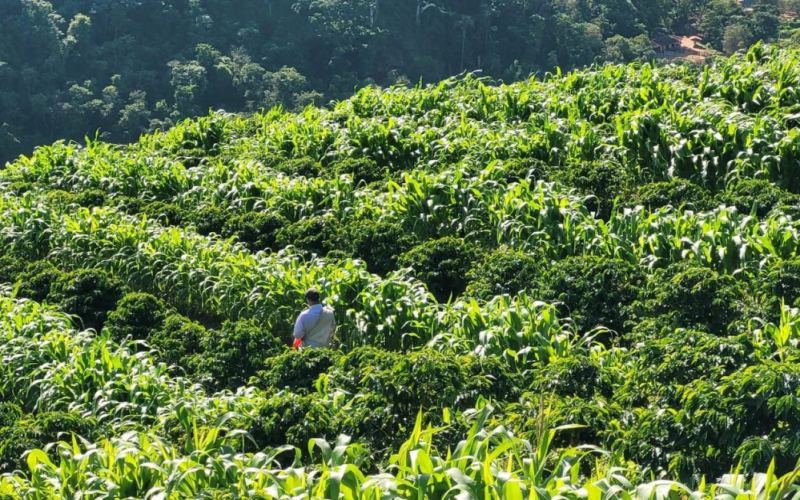
Analysis of the Origins and Flavor of the Red and Yellow Bourbon Varieties from Brazil's Queen's Manor: From a COE Champion Estate to Front Street Coffee Brewing Recommendations
Brazil is the world's largest coffee producer, and fluctuations in its output are enough to move international green bean prices. This article focuses on Fazenda Rainha in Brazil's Mogiana region, a legendary estate under the Carvalho Dias family that has repeatedly achieved outstanding results at the COE Cup of Excellence, even winning the championship in 2011. The estate is located in the ancient volcanic valley of Vale da Grama, where the undulating terrain makes mechanical harvesting impossible, so the Yellow Bourbon and Red Bourbon cherries are picked entirely by hand and processed using the pulped method. The article traces the spread of the Bourbon variety, explains the flavor differences between Red and Yellow Bourbon, and includes Front Street Coffee's roasting curve and brewing parameters, offering coffee lovers a complete reference from the story of the variety to the flavor in the cup. [more…]
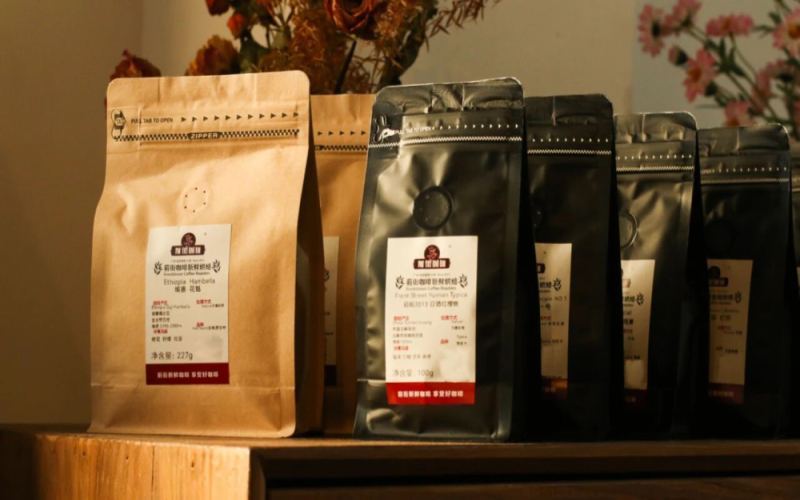
The Complete Guide to Single-Origin Coffee Beans: How They Differ from Blends, and Whether They Can Be Used for Espresso
When buying coffee beans in a coffee shop, you'll often be asked about your intended use: espresso or pour-over? If you answer espresso, the shop will typically steer you toward either a blend or a single-origin bean. So what exactly is the difference between a blend and a single-origin? And can single-origin beans be used to make espresso? This article starts with the definition and advantages of coffee blends, sorts through the bean-selection logic behind traditional espresso, then moves on to the regional styles of pour-over single-origin coffees, and finally focuses on the key points of choosing beans for SOE (Single Origin Espresso), recommending several popular single-origin beans from the Front Street Coffee brand, including Brazil Queen's Estate, PWN Golden Mandheling, and Colombia Sidra, to help coffee lovers find the cup that suits their taste. [more…]
What is the difference between single-origin coffee beans and blended beans? Can pour-over beans be used to make espresso?
When buying coffee beans at a coffee shop, you are often asked what kind of coffee you plan to make. If you choose espresso, the shop will usually offer two options: blend beans and single-origin beans. So, when both are used to make espresso, what exactly are the differences between blends and SOE? This article starts with the definition of blended coffee, sorts out how it differs from single-origin coffee beans in terms of flavor orientation and suitable scenarios, and further explores whether single-origin beans for pour-over are suitable for making espresso. The article will also combine several products from the Front Street Coffee brand to introduce the specific performance of single-origin beans from different regions in SOE applications, including Queen's Farm Brazil, PWN Golden Mandheling, and Colombia Sidra, among others, providing coffee lovers with a reference for choosing beans. [more…]
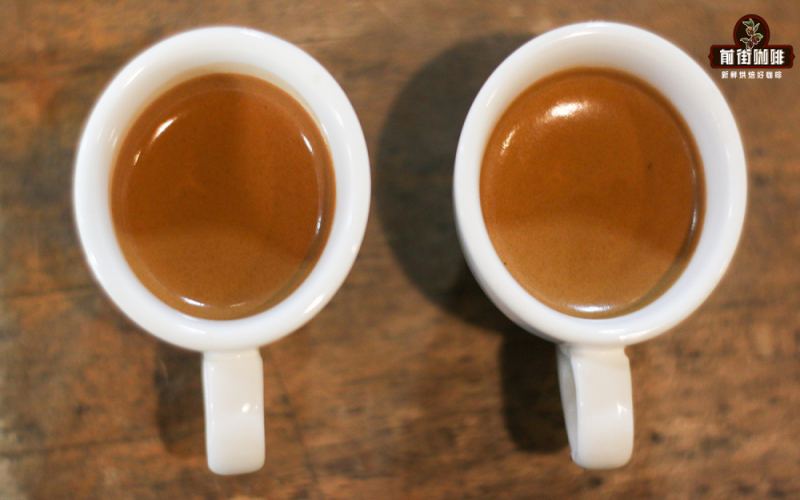
SOE Single-Origin Espresso Bean Selection Key Points and Suitable Coffee Machine Recommendation Guide
In recent years, the practice of making espresso with single-origin coffee beans has become increasingly popular. This style of coffee, known as SOE, emphasizes the authentic flavors of its origin and stands in sharp contrast to traditional espresso blends. However, not all single-origin beans can handle the extraction demands of an espresso machine. Drawing on Front Street Coffee's practical experience, this article systematically explains the definition of SOE, bean selection criteria, and extraction adjustment approaches, and specifically recommends two beans suitable for making espresso—Front Street Coffee Yirgacheffe Natural Red Cherry and Front Street Coffee Brazil Queen's Estate—along with suggested parameters for grind size, brew ratio, and time, helping coffee enthusiasts make a cup of SOE with clear flavors at home. [more…]
Prefer a full-bodied taste without acidity? A guide to seven Front Street Coffee pour-over and espresso bean recommendations
Many friends who are new to coffee often struggle with choosing beans that suit their taste, especially those who dislike acidity. In this article, Front Street Coffee has put together a practical list for enthusiasts with more conservative palates, covering seven beans from regions including Brazil, Colombia, Indonesia, and Papua New Guinea. From Queen's Farm Yellow Bourbon to Golden Mandheling, from Bird of Paradise Typica to the classic espresso blend, each one lists its variety, processing method, and flavor characteristics. Whether you prefer the clean, full-bodied style of pour-over or the rich, sweet intensity of espresso, you can find an option here that is low in acidity and full of aroma. [more…]
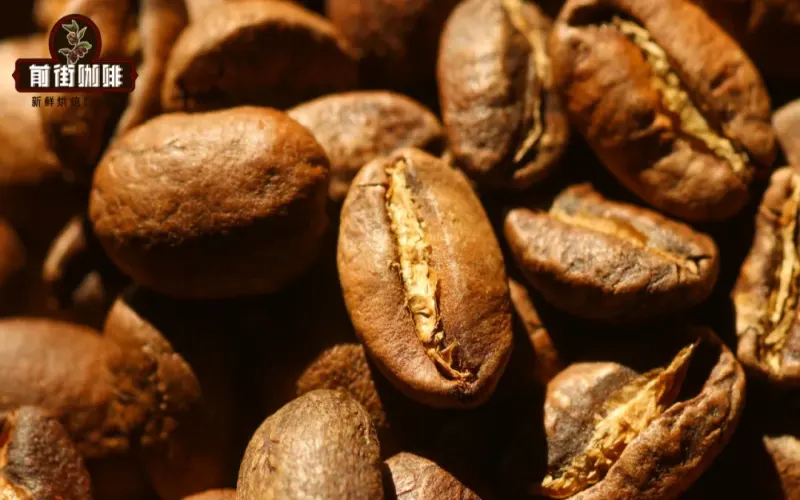
How does the roast level shape coffee flavor? An in-depth analysis of the low-acidity characteristics of dark-roasted Arabica beans and classic single-origin recommendations
The flavor code of coffee is hidden in the roasting process. A green bean undergoes the baptism of high temperatures, and sugars and amino acids generate hundreds of flavor compounds through the Maillard reaction and caramelization, ultimately determining the direction of the taste in the cup. Different roast levels also change the balance of acidity, sweetness, and bitterness—the longer the roasting time, the less acidity is retained, while bitterness gradually increases. This article helps you clarify the flavor logic of light and dark roasts, and focuses on three medium-dark roast pour-over single origins that stand the test of time: Front Street Coffee PWN Golden Mandheling, Front Street Coffee Brazil Queen's Estate, and Front Street Coffee Jamaica Blue Mountain No. 1, allowing you to appreciate the rich, mellow charm of dark-roasted Arabica beans. [more…]
A Complete Guide to Brazilian Santos Coffee Beans: From Historical Origins to a Flavor Comparison of Front Street Queen's Farm and Cerrado
Brazil Santos coffee beans are one of the most familiar Brazilian representatives for coffee lovers worldwide, known for being soft and smooth, low in acidity, and prominently nutty, and they are also the top choice recommended by Front Street Coffee baristas for customers who dislike sourness. This article will take you through the legendary origins of Brazilian coffee from more than three hundred years ago, outlining how Brazil started from zero to become the world's largest coffee-producing country, and will also introduce in depth two Bourbon-variety Brazilian beans from Front Street Coffee—the Yellow Bourbon from Queen Estate in São Paulo and the Red Bourbon from Cerrado in Minas Gerais—covering regional terroir, processing methods, roasting recommendations, and brewing parameters to help you fully understand the classic charm of Brazilian coffee. [more…]
A Complete Guide to Coffee Roast Levels: Flavor Differences Across Light, Medium, and Dark Roasts and Pour-Over Parameter Comparison
Roasting is the key stage that determines the final flavor of coffee beans. Only after green beans are roasted at high temperatures, undergoing the Maillard reaction and caramelization, can they release rich aromas and a balanced interplay of acidity, sweetness, and bitterness. The roast levels commonly found on the market today are divided into three types: light, medium, and dark, each presenting a completely different flavor direction and brewing logic. Starting from Front Street Coffee's roasting practice, this article systematically sorts out the chemical reaction principles and flavor characteristics of the three roast levels, and, combined with three representative beans—Yirgacheffe Konga, Brazil Queen's Estate, and Indonesia Golden Mandheling—provides corresponding recommendations for dripper selection, water temperature, grind size, and extraction methods, helping coffee enthusiasts build a complete cognitive framework from roasting to brewing. [more…]
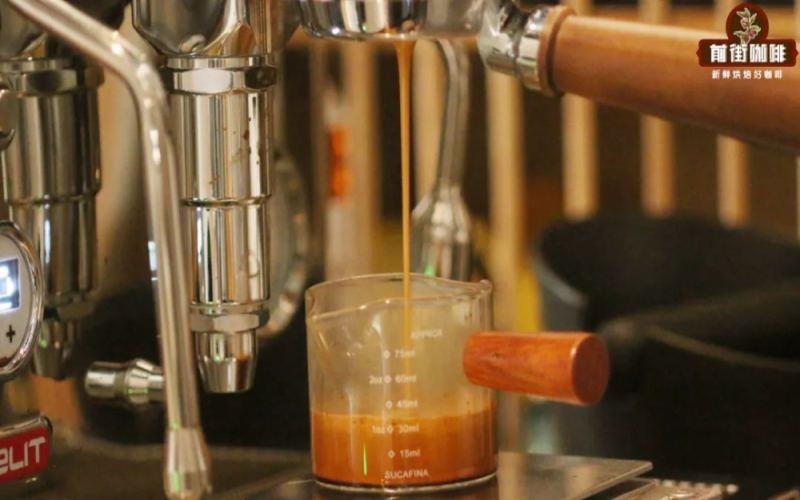
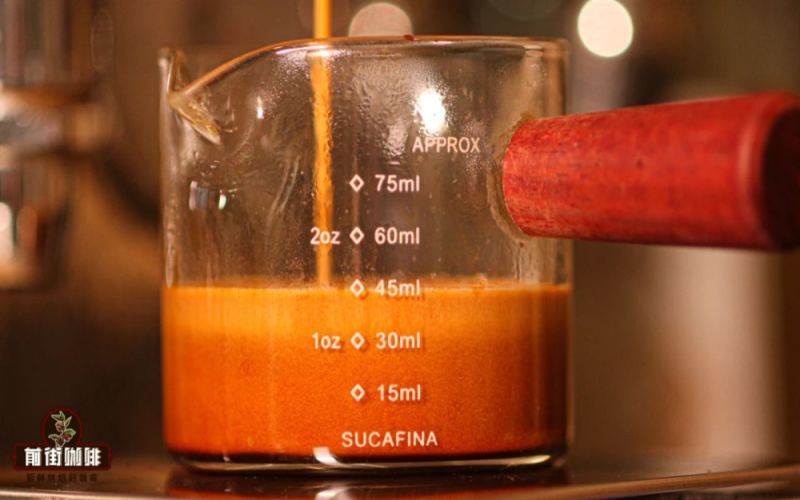
What is the connection between SOE and pour-over? A comprehensive interpretation of the flavor differences in espresso blend beans
SOE is the abbreviation of Single Origin Espresso, that is, single-origin espresso, which stands in contrast to traditional espresso blends. As the specialty coffee wave advances, more and more cafés are putting SOE on their menus. It emphasizes highlighting the distinctive flavors of a particular origin, making it easier for consumers to connect with the place of origin. However, SOE is not absolutely superior to blends; each has its own suitable scenarios: SOE excels in clarity of flavor, yet places extremely high demands on roasting and extraction techniques; blends achieve balance and stability by complementing one another's strengths. In this article, Front Street breaks down in detail the definition, advantages, and difficulties of SOE, and compares it with espresso blend coffee beans. It also recommends several coffee beans suitable for making SOE, including Natural Red Cherry, Brazil Queen's Farm Yellow Bourbon, and Golden Mandheling, and finally answers whether SOE coffee beans can be used for pour-over. [more…]
Home American Drip Coffee Maker Operation Guide: Coffee-to-Water Ratio, Grind Size, and Coffee Bean Selection Tips
To easily make a delicious cup of American coffee at home, a drip coffee maker is a highly cost-effective choice. This article starts with the two methods of making American coffee, focusing on the structure of a household American drip coffee maker, the standard operating procedure, the scientific basis of the 1:18.18 Golden Cup coffee-to-water ratio, and the impact of grind size on extraction. At the same time, for different taste preferences, specific recommendations are given for Front Street Coffee brand coffee beans, including sun-dried Huakui, washed Huahudie, Queen's Manor Brazil, Strawberry Candy, Classic Espresso Blend, and Golden Mandheling, and uses Strawberry Candy as an example to fully demonstrate the drip brewing process, helping coffee enthusiasts get started quickly. [more…]
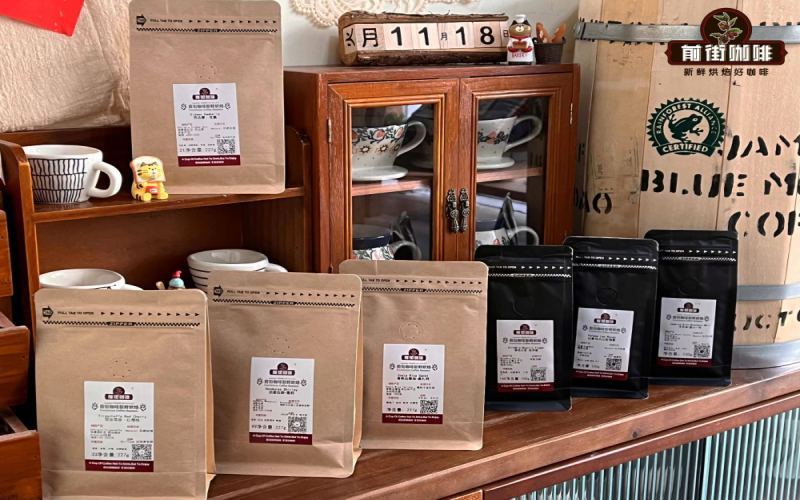
A Review of Six Iconic Coffee Regions Worldwide: Classic Arabica Flavors and Representative Bean Varieties
Coffee, cocoa, and tea are known as the world's three major beverages. Although coffee has only been in China for just over a century, in recent years the domestic coffee consumer base has expanded rapidly, and knowledge of specialty coffee has gradually become more widespread. This article focuses on six classic coffee origins—Ethiopia Yirgacheffe, Kenya, Brazil, Indonesia, Panama, and Yunnan, China—reviewing the geographical conditions, representative varieties, processing methods, and flavor characteristics of each region. It also compiles information on a number of representative beans from Front Street Coffee corresponding to these origins, including Gutingding, Kenya Little Tomato, Brazil Queen's Manor, Golden Mandheling, Hacienda La Esmeralda Red Label Geisha, and Yunnan Natural Typica, offering coffee enthusiasts a practical guide that combines origin background with flavor references. [more…]
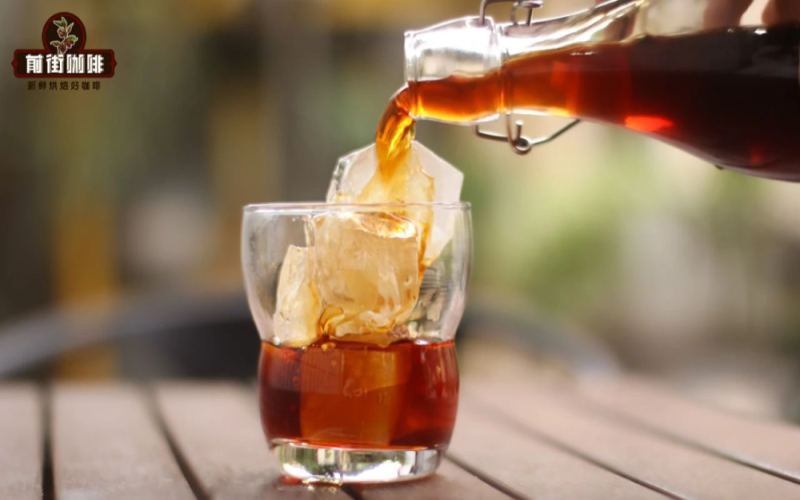
How to Make Cold Brew Coffee at Home: Coffee-to-Water Ratio, Grind Size, Shelf Life, and Front Street Coffee Bean Recommendations
The scorching summer is hard to endure, and cold brew coffee has become the top choice for many coffee lovers to beat the heat. Starting from the underlying principles, this article explains clearly why cold brew coffee tastes more balanced, then walks through step by step the types of coffee beans suitable for cold brew, the reasonable range for the coffee-to-water ratio, how grind size and steeping time work together, and how long it can be kept once made. The article also gives specific recommendations based on several Front Street Coffee beans, including the dark-roasted Queen's Estate, PWN Golden Mandheling, the light-roasted Fruit Ding Ding, Little Tomato AA, as well as the specially processed Strawberry Candy and Front Street Xizhua, to help you avoid detours and make a smooth, consistent cup of cold brew at home. [more…]
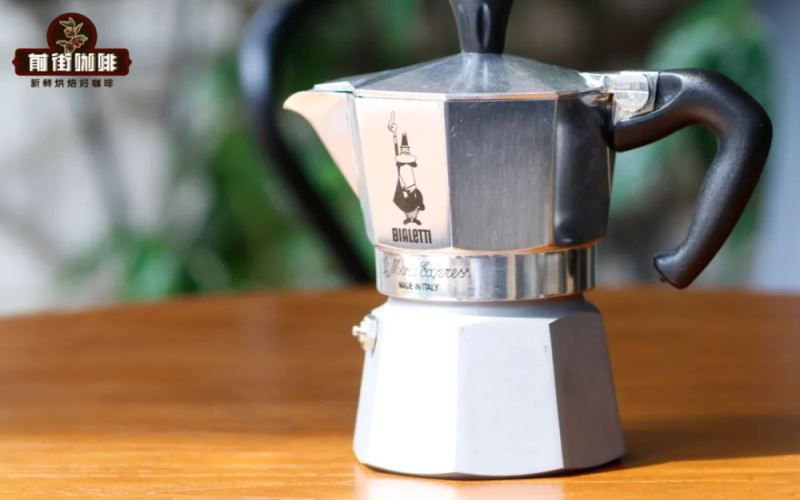
The Origin Story, Construction Principles, and Key Operating Points of the Moka Pot: A Complete Guide from Extraction Mechanism to Grind Size Control
The moka pot is a classic coffee-making tool found in almost every Italian household; it is said that eight out of every ten local families keep one. In China, however, it is not widely used, and many enthusiasts lack a systematic understanding of the operating details. From the perspective of Front Street, this article first reviews the invention origins of the moka pot and the birth of the Bialetti brand, then breaks down the three-part structure of the upper chamber, filter basket, and base, as well as the principle of steam-pressure extraction, followed by a step-by-step explanation of the key operating points such as adding water, filling coffee grounds, heating, and removing from the heat. The article also specifically recommends several medium-dark roasted beans, including Front Street Queen's Estate, Front Street PWN Golden Mandheling, and Front Street Bird of Paradise, and uses Golden Mandheling as an example for a brewing demonstration. Finally, it offers grinding advice of EK-43s 3-3.5 setting and safety reminders. [more…]
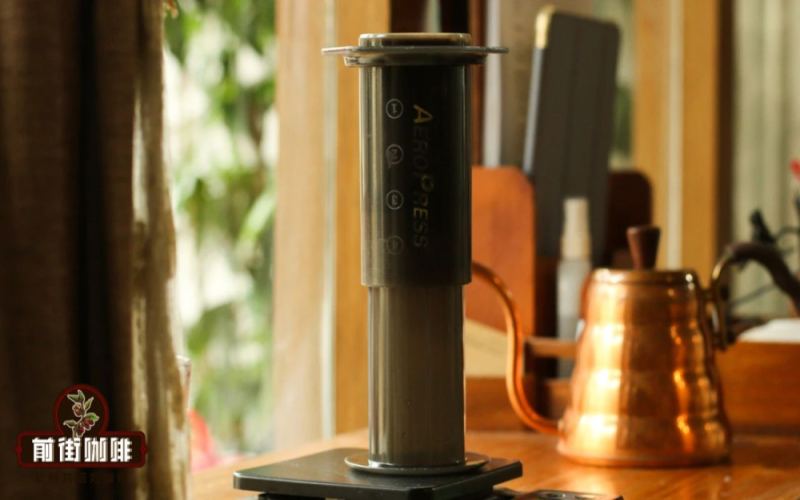
AeroPress Iced Latte: 10-Step Guide to a Rich and Smooth Homemade Version Without an Espresso Machine
Want to drink an iced latte but frustrated by not having an espresso machine? Actually, an AeroPress alone can get the job done. This article breaks down in ten steps how to use an AeroPress to make a high-concentration coffee base, then combine it with cold milk to create a cup of iced latte with a rich, mellow body and balanced sweet aroma. The article also specifically reminds you that to avoid a sharply sour or weak taste, you should prioritize medium or dark roast beans, such as Front Street Coffee Bird of Paradise, Front Street Coffee Queen's Manor, Front Street Coffee Golden Mandheling, and Front Street Coffee Huilan; if you are sensitive to bitterness, you can try the fermented fruity acidity of Front Street Coffee Xizhao, Front Street Coffee Strawberry Candy, or Front Street Coffee Sunflower Warm Sun Blend, which pair even better with milk. Next, follow Front Street Coffee's practical parameters to make a simple yet delicious iced latte step by step. [more…]
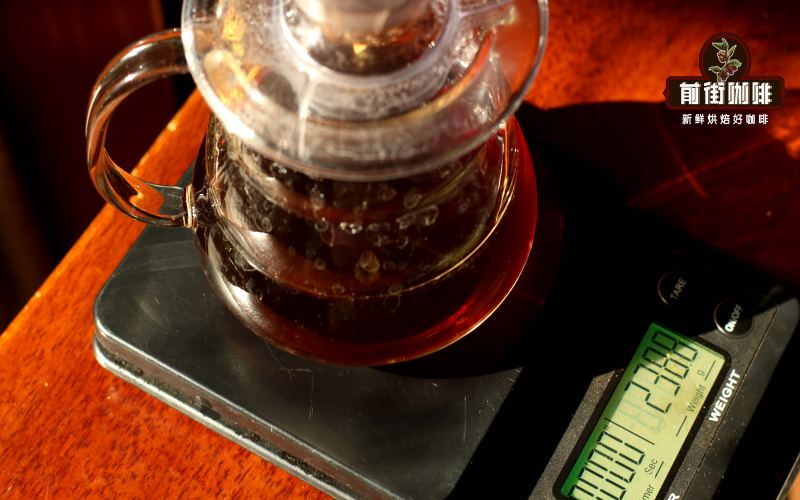
Not Bitter, Not Astringent, Not Sour: A Guide to Five Well-Balanced Specialty Pour-Over Coffee Beans by Category
The flavors of coffee are endlessly varied. Some people prefer bright acidity, while others are fond of deep, profound bitterness. But many enthusiasts lean toward a cup that is mellow in mouthfeel, neither sour nor astringent, with a lasting sweet aftertaste. To meet this demand, Front Street Coffee has selected five coffee beans with distinct styles, covering producing regions such as Papua New Guinea, Brazil, Panama, and Yunnan. From the balanced mellowness of Bird of Paradise, to the caramel sweetness of Queen's Manor, to the floral and fruity sweetness of Strawberry Candy, the interwoven sweetness and acidity of Butterfly, and the slightly acidic yet non-astringent character of Yunnan Typica, each one has been carefully roasted and processed, suitable for pour-over and other extraction methods. There is always one to match your taste preferences. [more…]
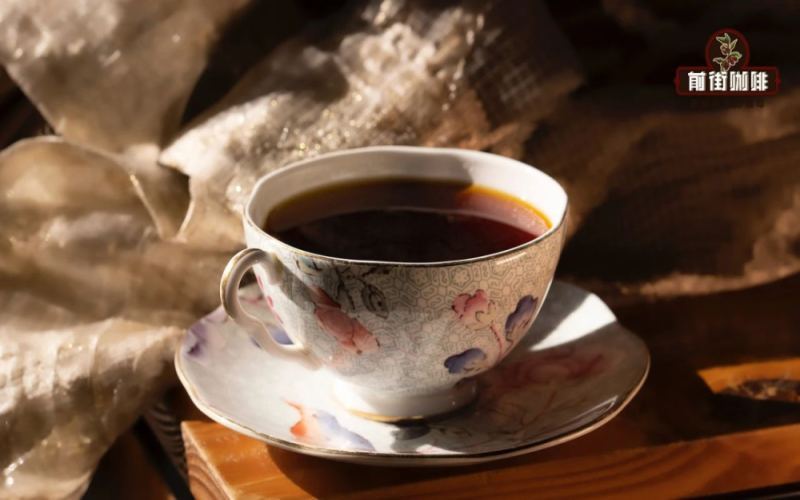
The Pros and Cons, Production Process, and Flavor Analysis of Naturally Processed Coffee Beans
This article is written by the content team of Front Street Coffee (FrontStreet Coffee) and provides a comprehensive discussion of the characteristics of the natural process, the oldest method of coffee processing. The article candidly acknowledges its dependence on sunny weather and the disadvantage of a plain-looking finished product, while gradually breaking down the steps from fruit selection and sun-drying to hulling and storage. Using representative natural-process beans that make up forty percent of the beans on Front Street Coffee's shelves—Natural Yirgacheffe Aricha, Natural Panama Janson Geisha, and Natural Brazil Queen's Manor—along with images and brewing recipes, it carefully presents the flavor profile under three-pour extraction to help readers gain a deeper understanding. [more…]
Which coffees are neither sour nor bitter on entry yet leave a long, lingering sweet finish? A curated selection of coffee beans with a standout sweet aftertaste
Many people use "sweet aftertaste" to describe the pleasant mouthfeel of a good cup of coffee, but how exactly does sweet aftertaste differ from sweetness? The aroma, flavor, and mouthfeel that linger in the mouth after swallowing are what we call the finish, and sweet aftertaste is precisely a bitter-then-sweet taste bud experience within that finish. The degree of roast has a significant impact on sweet aftertaste: lightly roasted beans are bright and acidic yet have a short finish, while dark roasted beans are rich and full-bodied with a more lasting sweet aftertaste. This article will guide you through understanding the relationship between sweet aftertaste and the finish, and recommend four coffees with pronounced sweet aftertaste—Front Street PWN Golden Mandheling, Front Street Brazil Queen's Manor, Front Street PNG Bird of Paradise, and Front Street Jamaica Blue Mountain No. 1—analyzing their flavor layers and sources of sweetness one by one. [more…]
The Complete Guide to Choosing Beans for Cold Brew Coffee: From Fruity and Floral to Dark Roast, an Easy-to-Master Brewing Approach for Beginners
Cold brew coffee, through its unique low-temperature slow extraction method, reduces acidity and bitterness while locking in aroma, resulting in a fuller and more balanced taste. But with such a dazzling array of coffee beans, how should beginners choose? This article draws on the daily experience of Front Street Coffee baristas to systematically sort out the logic of bean selection by flavor type: those who prefer bright fruity acidity can choose washed beans from Kenya, Ethiopia, and the like, such as Front Street Little Tomato and Front Street Fruit Ding Ding; those who like softer fruity notes are recommended sun-dried Front Street Flower Queen and Front Street Red Cherry; those who want to try specific aromas will find specially processed beans such as Front Street Strawberry Candy and Front Street Xizhua to be good choices; and if you do not like acidity, medium-dark roasted Front Street Queen's Manor, Front Street Bird of Paradise, and even dark-roasted Front Street PWN Golden Mandheling can satisfy you. In addition, the article also shares a little trick—adding a small amount of dried osmanthus or jasmine flowers can give cold brew an extra touch of delicate floral fragrance. [more…]

The Complete Guide to Buying Espresso Beans: Arabica vs. Robusta, SOE vs. Blends, Roast Levels, and Answers to Common Beginner Questions
Newcomers to coffee, when faced with a dazzling array of coffee beans, are often confused by all kinds of technical terms and don't know where to start. In fact, choosing coffee beans is not complicated—as long as you grasp a few key points, you can find the one that suits you. This article addresses the five questions beginners encounter most often: how to distinguish Arabica from Robusta, how to choose between blended beans and single-origin beans (including SOE), the respective characteristics of dark roasts and light roasts, the necessity of roast dates and resting beans, and whether grinding is recommended. It also draws on specific products from the Front Street Coffee bean list—such as the classic blend, Ethiopia Halo Berry, Brazil Queen's Manor, and Indonesia Golden Mandheling—to provide flavor descriptions and buying advice, helping you take fewer detours in the world of espresso. [more…]